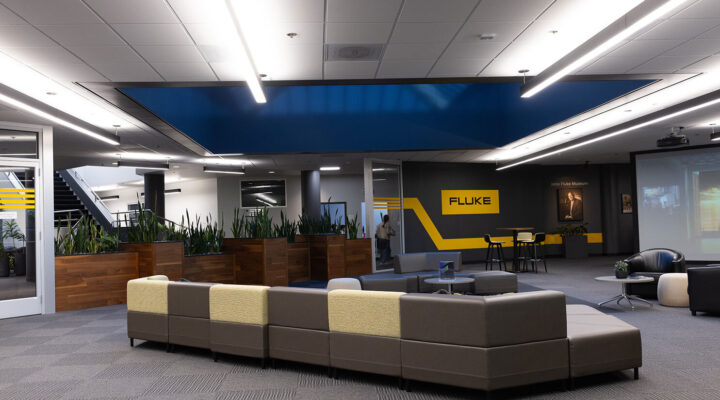
Luminaire level lighting controls (LLLC) is a type of networked lighting control system that integrates sensors and load controllers into each fixture, providing unparalleled flexibility, control, and energy savings. Like a lot of energy-efficient technologies, there are many common myths about LLLC that can create confusion about its value, benefits, and ease of use. From perceptions about the physical product to concerns about cost and complexity, in reality LLLC delivers practical, accessible solutions for almost all commercial applications.
Myth #1: LLLC is cost-prohibitive with added features that aren’t worth the expense.
LLLC saves material and labor costs during installation, making it more cost-effective compared to traditional wired control systems. Reduced installation costs can be attributed to wireless solutions, retrofit kits, and pre-programming. Plus, the energy savings gained long-term offsets the upfront cost of the product.

Thanks to incentives from Seattle City Light, AGCW is saving thousands in kWh and dollars, all while making their tenants happier and increasing the value of their property.
Myth #2: LLLC is only for high-end retrofits or new construction projects.
Modern LLLC solutions are increasingly used in all types of retrofit projects, from manufacturing facilities to K-12 schools and small businesses. Wireless technologies and expanded fixture compatibility make implementation more practical and cost-effective than ever.
Local utilities often offer financial incentives to reduce the upfront cost of LLLC for both new construction and retrofit projects – making LLLC an even smarter investment.
LLLC in retrofit projects
‘It Makes Sense’: How LLLC Pays for Itself Financially and Environmentally at a Manufacturing Plant

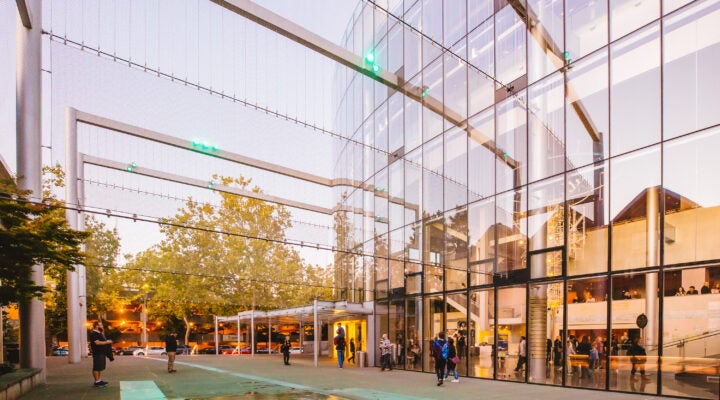
A backstage transformation in light and efficiency
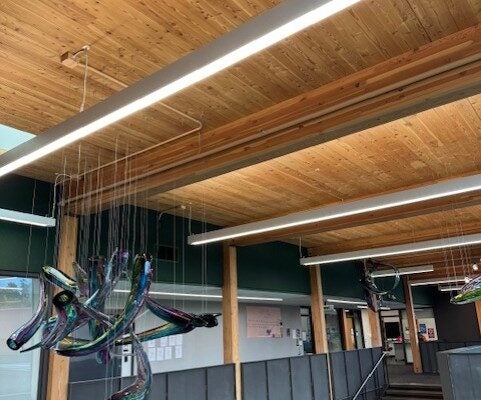
Designed to adapt: Lighting that brings long-term success into focus
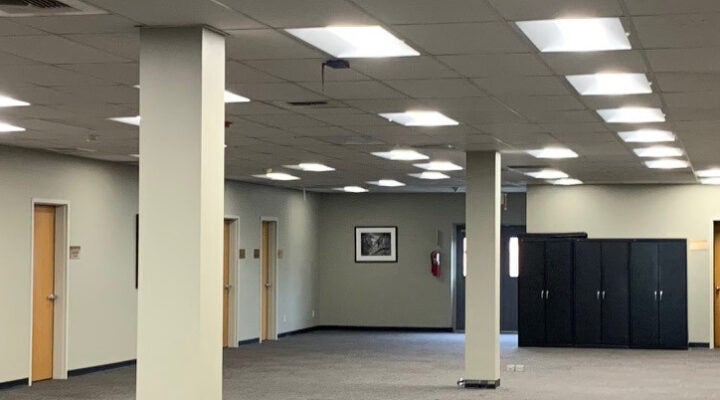
South Lander Business Park adopts luminaire level lighting controls
Myth #3: Using LLLC systems is complicated and confusing.
Today’s LLLC systems are designed with user-friendly apps and intuitive controls. Many users manage lighting settings directly from their smartphones with minimal training.
LLLC systems are flexible and can adjust to building needs over time. The controls easily allow for adjustment for light levels, schedules, and settings as spaces evolve, without rewiring. Plus, the LLLC is easy to re-program as needs change and are easy to integrate with other building systems.

Myth #4: Wireless lighting controls aren’t reliable.
LLLC systems offer dependable performance while reducing labor, materials, and costs related to installation. They also make future changes and reconfigurations easier than traditional wired systems.

Neil Schilling, the Division Manager for Energy Solutions at North Coast Electric, gives a lowdown on how LLLC is a turnkey solution, providing reliability and flexibility for commercial and industrial clients.
Myth #5: With LLLC, there are more sensors, which means the potential for more problems and more maintenance.
Having sensors at each fixture can actually improve occupant comfort and provide maximum flexibility for end users. More sensors provide better occupancy detection, allowing the system to respond more accurately and avoid the frustrations often associated with older lighting control systems.

Myth #6: LLLC networks require a more complex infrastructure.
Many modern LLLC systems operate independently and automatically meet code requirements without additional gateway devices. They can also integrate with building systems if desired while remaining secure and manageable.

Getting up to speed with wireless concepts is the first step in understanding whether wireless technology can work as well for your business as it does for your personal life.