Keeping operations running smoothly is a daily priority for Matt Fuxan, General Manager of Charlie’s Produce in Boise, Idaho. When an opportunity arose to upgrade the facility’s office and shared space lighting, the potential to improve comfort and reduce energy costs made it worth a closer look.
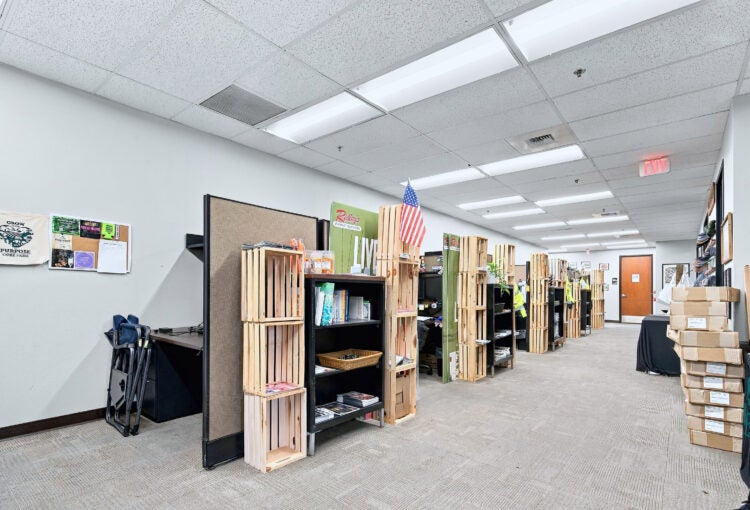
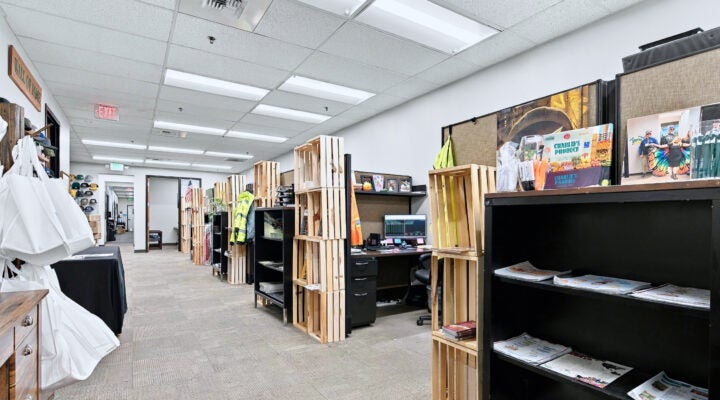
While the facility’s cold storage areas had already been upgraded to LEDs, the attached offices, restrooms, and breakrooms still had older fluorescent lighting. An audit by West Ridge Energy identified a way to improve these spaces with luminaire level lighting controls (LLLC), which combine energy-efficient lighting with occupancy sensing and adjustable settings.
The wireless, networked controls help reduce unnecessary use while giving employees more control over their lighting. The upgrade offered Charlie’s Produce a practical and affordable way to improve everyday comfort without adding complexity to daily operations.
Project Overview
Upfront costs made easy with incentives
For Fuxan, the deciding factor was the financial case. Idaho Power incentives covered nearly 70% of the project cost, making it easier to look beyond a standard LED replacement and consider the additional energy savings LLLC could provide.
As a member of Idaho Power’s Energy Efficiency Advisory Group, Fuxan was familiar with the programs available, but he was still pleasantly surprised by how much of the project cost was covered by incentives and how straightforward the process turned out to be.
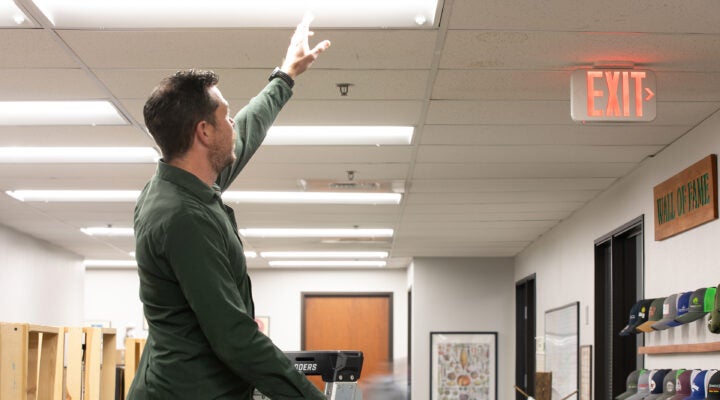
The pre-application process made the decision even easier. Noah Ripley, co-founder and lighting designer at West Ridge Energy, worked with John Neddo, an energy advisor at Idaho Power, to project energy savings and return on investment upfront. This gave Fuxan a clear picture of the potential financial benefits before moving forward with the upgrade.
A straightforward installation for every space
Charlie’s Produce operates nearly 24 hours a day, but some of the spaces aren’t occupied around the clock. Fuxan saw value in occupancy sensing, which automatically adjusts lighting when spaces are unoccupied rather than leaving lights on unnecessarily.
LLLC also offers flexibility for the areas where people use spaces in different ways. Users can adjust lighting to suit their needs, while preset controls handle routine adjustments automatically.
This allowed for a seamless installation process for West Ridge Energy. They were able to assess the facility, determine lighting needs, coordinate with Idaho Power, and replace approximately 100 fixtures in just three days.
After installation, Ripley trained the Charlie’s Produce team on how to use the system so that they can easily adjust the lighting for any needs that may come up in the future.
Better lighting without any fuss
Since the upgrade, employees have responded positively to the new lighting, commenting that it was much easier on the eyes in the office. Fuxan has called the LLLC system “low maintenance” as he rarely needs to interact with the controls.
“What’s really helpful is the preset programming: The lights turn off after a set time, they dim down, and they function the way you’d expect with sensors. When I walked through and commissioned the fixtures, it changed how they operated, but the experience wasn’t dramatic. LLLCs are a significant upgrade, but it doesn’t feel disruptive,” said Ripley.
Meanwhile, occupancy sensing has helped reduce unnecessary energy use without requiring employees to remember to switch off the lights. As Neddo says, “it’s just another piece of the pie that adds that much more efficiency.”
For Charlie’s Produce, the result was simple: better lighting, more efficient energy use, and a lighting system that requires little day-to-day attention. With utility incentives covering a large portion of the project cost, the investment made financial sense from the start.
“I’m paid to make smart business decisions, and this felt like one,” said Fuxan.

Related Case Studies
Designed to adapt: Lighting that brings long-term success into focus
Lighting the way: Mount Vernon’s brighter, smarter library