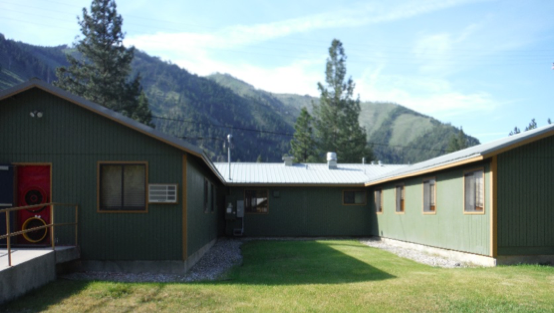
Using comparative data based on energy models, along with real-world performance data and product costs from design build mechanical contractors, the following modeled case studies illustrate the pros and cons of upgrading typical Northwest buildings from code-minimum to an all-electric advanced performance dedicated outside air system (DOAS).
Building owners and designers can use these examples to understand the differences—including upfront system cost, features and benefits, and annual energy costs and savings—to help determine whether advanced performance DOAS might be the right fit for their project(s).
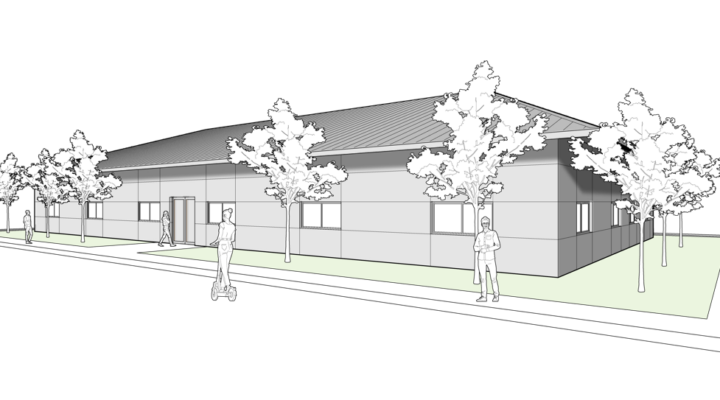
Small office building
Scenario: A small business owner recently purchased a 5,500 sq. ft. building and intends to renovate the interior spaces for both their own office needs, plus a few offices to rent out. While they value sustainability, energy efficiency, and indoor environmental quality, they would also like to keep project costs as low as possible. This modeled case study illustrates the pros and cons when considering replacing an aging HVAC system with either a code-minimum rooftop unit (RTU) or an all-electric advanced performance dedicated outside air system (DOAS).
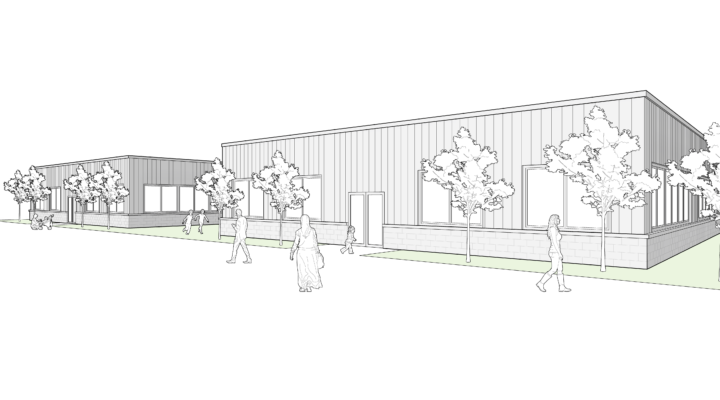
Primary school
Scenario: A new 24,400 sq. ft. elementary school is being built in Bend, Ore. The school district values sustainability and healthy learning environments and is considering pursuing LEED certification for the building. This modeled case study illustrates the expected outcomes when a small Northwest school compares installing an all-electric advanced performance DOAS over code-minimum RTUs.
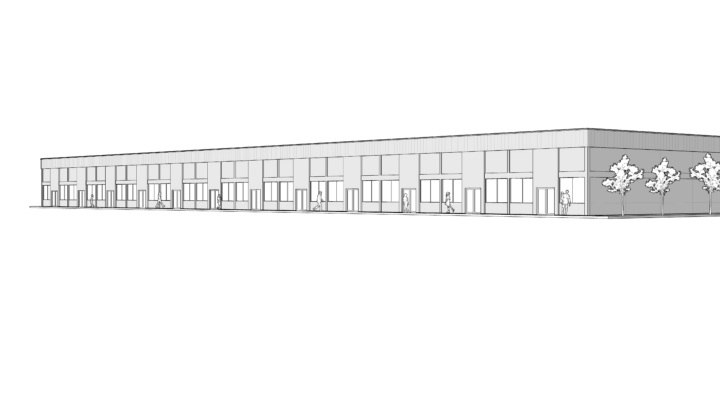
Retail strip mall
Scenario: A business owner recently purchased a 12-unit, 22,500 sq. ft. retail building in Portland, Ore. The owner plans to renovate the spaces to increase rental value, including replacing the end-of-life HVAC system. They want to use superior thermal comfort and indoor environmental quality as selling points to differentiate the rental spaces from others on the market. This modeled case study illustrates the pros and cons of different HVAC options when upgrading a typical Northwest retail building.
Medium office building
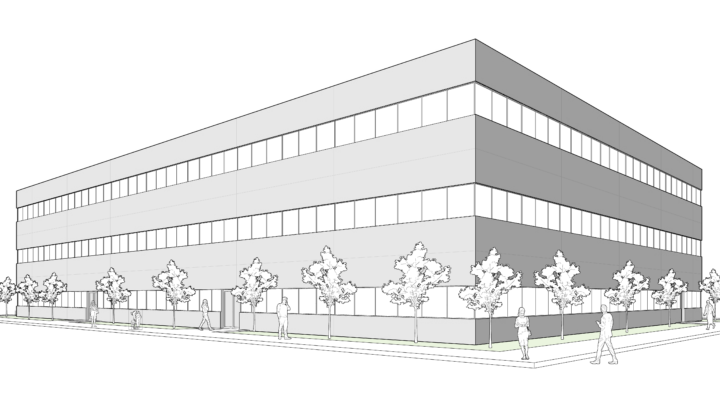
Scenario: A new 53,600 sq. ft. office building is being constructed in Spokane, Wash. The developer sees value in energy efficiency and indoor environmental quality, but would also like to keep project costs as low as possible. This modeled case study illustrates the pros and cons when selecting an HVAC system for a typical mid-sized Northwest office building that meets or exceeds Washington State Energy Code requirements.
Explore real-world Northwest case studies
Portland firm engineers thermal comfort and HVAC efficiency
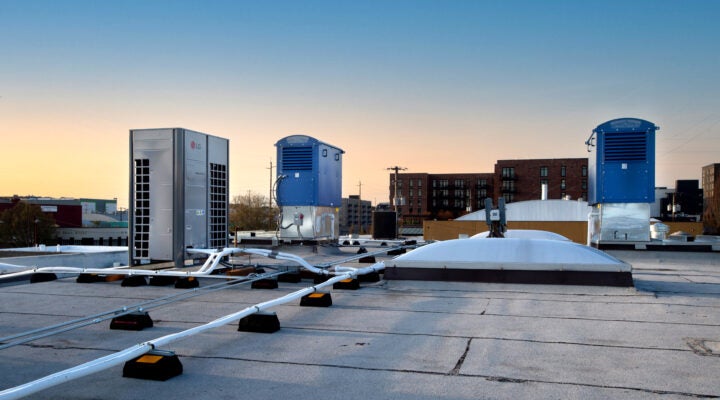
New-school HVAC approach improves comfort and air quality for K-12 students
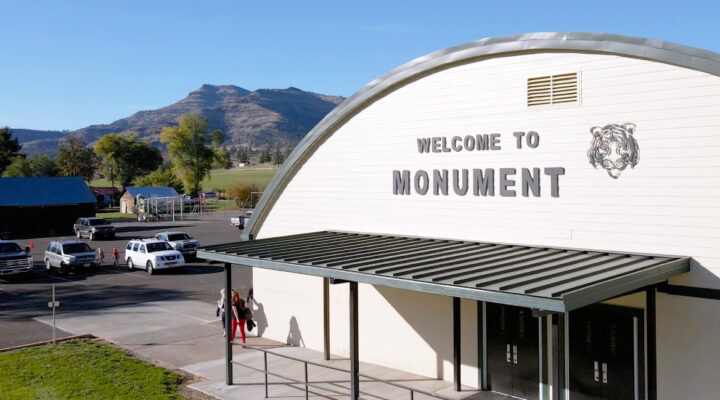
High-performance HVAC gets to work for utility office
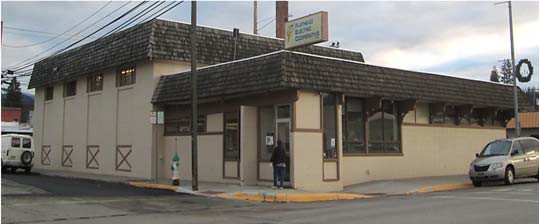
Historic building leaves energy waste and toxic air in the past

Lewis & Clark student center blazes new trail to HVAC efficiency
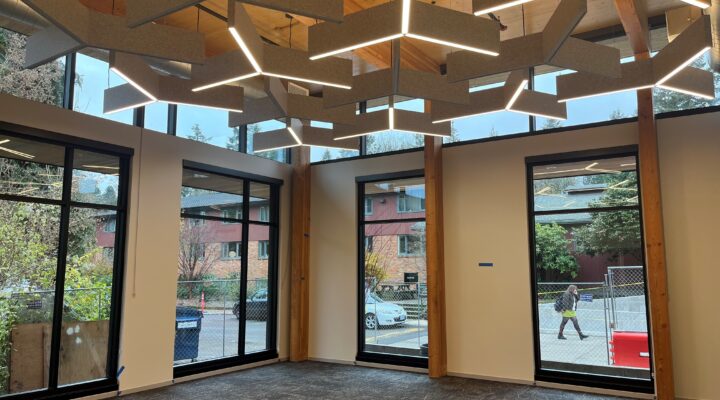
Research firm engineers a smaller energy footprint
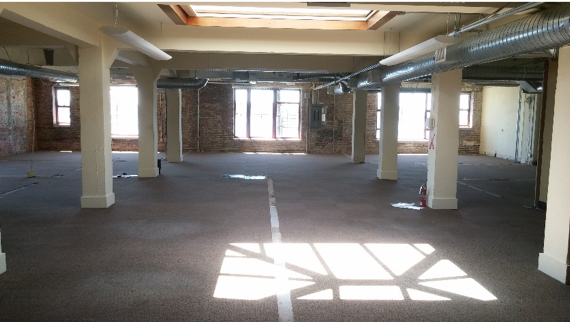
Preschool prioritizes healthy, mindful HVAC decisions
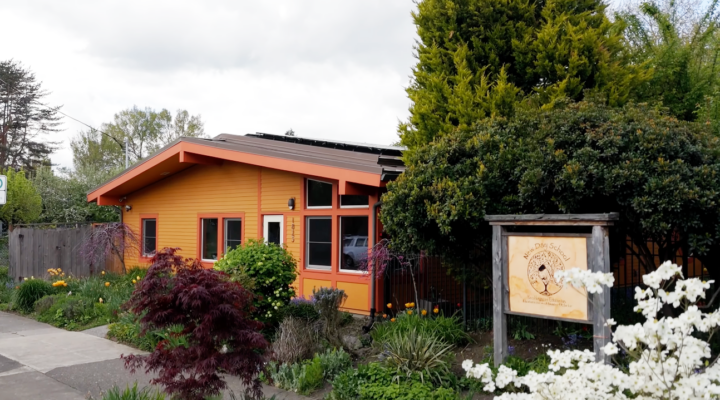
Portland law office objects to inefficient HVAC
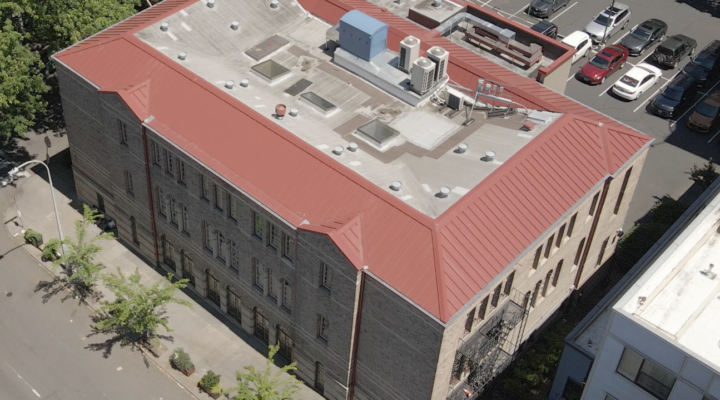
Trapper Creek Dorm snares energy savings for good